Positive Material Identification (PMI)

Positive Material Identification (PMI) emerged as a common customer requirement in the 1990’s as X-Ray Fluorescence (XRF) instrumentation became mobile. It can be a confusing and misunderstood requirement. This paper is an effort to provide some clarity to the requirement, the cost involved and steps required to comply with customer requirements.

When considering PMI, there are several key factors that must be clarified prior to quotation. Following is an outline of how reduce the requirement to a manageable task.

Scope

There are three primary considerations:

Elements to be Tested

  1. Alloy Verification – This is most common and will identify the material via key alloying elements. It is only applicable to materials generally classified as “Alloys”, such as stainless steel (304 SS, 316 SS, etc.), high nickel (Hastelloy® C, Inconel®, etc.) or high chrome alloys (P91, F22, etc.) carbon steels (SA-105, SA-106, SA-696, etc) are excluded from the “Alloy Verification” requirement. i. Note: To differentiate “L” grade stainless steels a full spectrum analysis must be performed.
  2. Full Spectrum Analysis: This would include carbon steels. A key phrase to watch for is “ALL elements with an atomic element above 16…”

Parts to be Tested

  1. Pressure Bearing Parts: This would include chambers, covers, valve bodies and pipe.
  2. Weld deposition: This is to verify that the correct weld filler material was used.
  3. Fasteners: Usually SA-193 B7 fasteners, although high chrome alloy, are exempted. This is a key point as Questtec uses so many bolts.


Percentages to be Tested

This is often stated as 100%. But if the other two factors are not identified, the cost cannot be determined prior to quoting. Often times there will be different requirements for different parts.

When an RFQ is received stating simply “PMI, 100%”, further clarification is absolutely required. The cost could easily range from several hundred dollars to many thousands of dollars. If it is impossible to get further clarification, offer the following with your quotation as the Questtec standard scope:

“Positive Material Identification shall be applied 100% to pressure boundary parts and welds in contact with the process media, such as gauge chambers, piping, valve bodies and weld deposit. The method shall be portable XRF, indicating key metallic alloying elements. SA-193 B7 alloy fasteners are specifically excluded from this scope.”

This simple phrase will meet customer intent in nearly all circumstances.
Scroll to Top

Process Level & Control

Glass Level & Gauge Valves

Glass-Trac Reflex

Glass-Trac

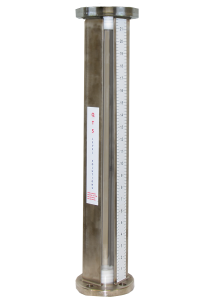
Glass-Trac Gauges, formally Daniel Level Gauge & Valve, are available in three main types: Reflex, Transparent, & Tubular. These direct reading instruments are available in many different materials to meet your specific process conditions.

Armored Tubular

Armor-Trac

Armor-Trac products operate to display liquid levels in a transparent sight tube that mirror the liquid level of a tank or vessel.

Illuminator

Illuminators

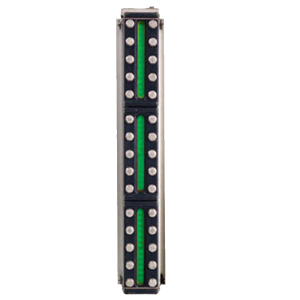
Illuminator for hazardous locations utilizes the latest technology to provide brilliant back lighting to any process gauge.

Valves

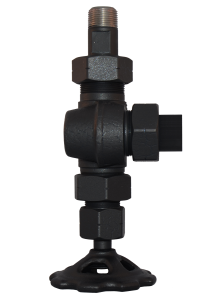
Questtec Solutions offers several gauge valve & steam valve options suitable for a variety of applications. Our valves provide an automatic shut off for glass and steam level gauge products. QTS gauge valves and steam valves are available in a variety of arrangements.

Magnetic Level Indication

Magne-Trac

Magne-Trac

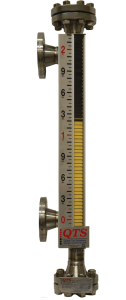
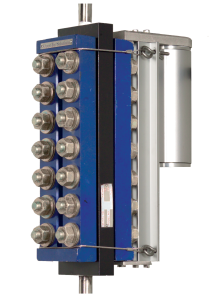
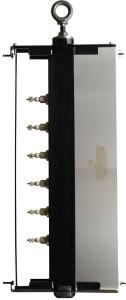
Magne-Trac products are among the safest and most economical ways to measure liquid levels, excelling in applications of extreme pressure, temperature, vibration, and corrosive or hazardous materials.

Bridle Chambers

Bridle-Trac

Bridle-Trac

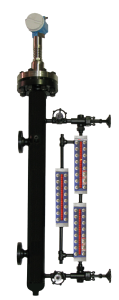
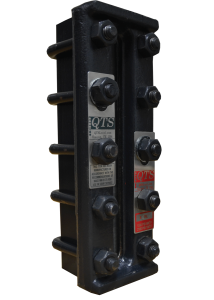
A bridle-trac may be referred to in the industry as a bridle chamber, a stilling well, a bypass chamber, a cage or a standpipe. It may be used with a customer specified radar for level measurement.

Boiler Level & Control

Direct Reading Devices

Steam-Trac STB 3000

Steam-Trac

Our extensive Steam-Trac product line was designed specifically for several models of water level/steam level gauges with pressure from 300 PSI working steam pressure to 3000 PSI working steam pressure.

Conval Clampseal® Valves

Steam Valves

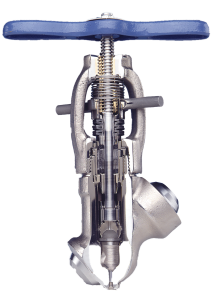
Questtec Solutions steam valves are designed specifically for use with water level gauges in steam/water service. The angled flow path compactly eases installation of the level gauge, bringing the assembly connection point to the side. Each model is designed to prevent steam galling and maximize packing life to extend the longevity of the valve.

Amber Illuminator

Illuminators

Illuminator for hazardous locations utilizes the latest technology to provide brilliant back lighting to any process gauge.

Indirect Reading Devices

Level-Trac

Level-Trac

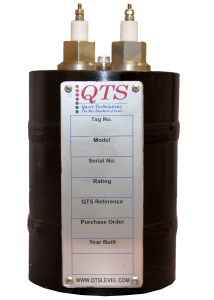
Level-Trac products include water columns and probes capable of operating in applications up to 3000 PSI as well as broad line of Water Detection Control Units & Alarms.

Guided Wave Radar

Guided Wave Radar Solutions

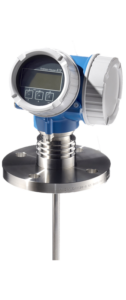
The QTS Guided Wave Radar delivers an independent reading of liquid and solid levels. These top mount, direct insertion radars measure interface and direct level of liquids and solids, both of high and low pressures and temperatures.

Alarm Points

Level-Trac

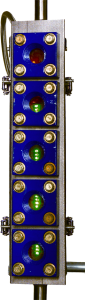
The fixture is designed to be piped in to a vertical configuration to track the contents of a steam drum or other pressure vessel.